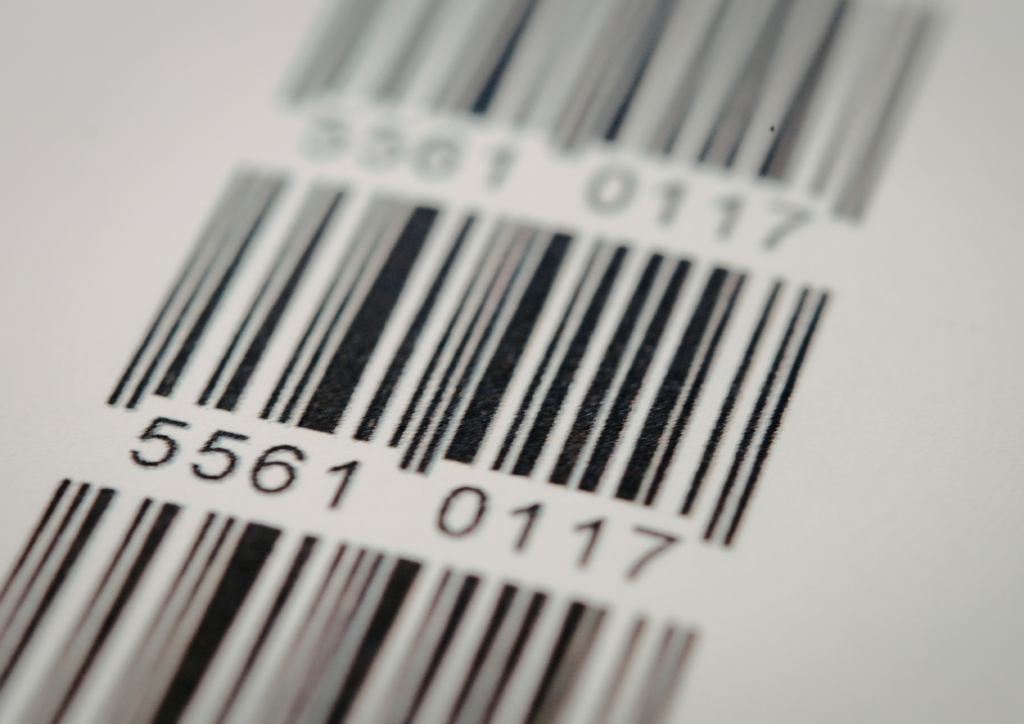
Healthcare stock management is becoming increasingly data driven. For many healthcare organisations, the barcode on a medical device, pharmaceutical product or other item is already part of the day-to-day workflow. However, a barcode can contain much more information than simply identifying a product.
When captured correctly, information such as the GTIN, batch or lot number, expiry date, and serial number can provide valuable visibility over the products moving through a healthcare environment. The challenge is often making sure that information is captured and used effectively.
From identifying products to understanding them
Traditionally, stock management has often focused on a relatively simple question, “How much stock do we have?”, but healthcare environments need to know much more than that, such as:
- What exactly is the product?
- Where is it currently located?
- Which batch does it belong to?
- When does it expire?
- What is available across different locations?
- Can a specific item be traced if there is a recall or stock issue?
Manually recording this information can be time-consuming and creates potential for errors. By using standardised GS1 identification and barcode scanning, much of this information can be captured automatically at the point where stock is received, moved or used. This can help create a more accurate and consistent record of what is happening to stock throughout its journey.
Why does traceability matter in healthcare?
Traceability is particularly important in healthcare because stock is not simply an operational asset. Medical devices, pharmaceuticals, and other clinical products can ultimately form part of patient care. Being able to identify a particular product, batch or serial number can therefore support processes such as recall management, expiry monitoring, and stock investigations.
GS1 standards underpin initiatives such as Scan4Safety, which aim to improve the identification and traceability of products, patients, and locations within NHS environments. The benefit isn’t just knowing where something is but having greater confidence in the information surrounding it.
The move towards richer barcode data
Barcode technology is also evolving. Two-dimensional barcodes such as GS1 DataMatrix can contain significantly more information than traditional one-dimensional barcodes while taking up little physical space.
They are already widely used across healthcare, including on pharmaceuticals and medical devices. This creates opportunities for healthcare organisations to capture more detailed product information through a single scan. Rather than manually entering a product code, batch number, and expiry date separately, a scan can potentially capture these details together. That can reduce manual data entry while improving the consistency of the information entering a stock management system.
What does this mean for healthcare providers?
The important question isn’t simply “Can we scan a barcode?”, but rather, “What information can we capture, and what can we do with it?”.
Effective barcode scanning can support healthcare teams with:
More accurate stock records
Automated data capture can reduce reliance on manual entry and help minimise errors.
Better expiry management
Expiry dates can be captured alongside product information, making it easier to identify stock approaching expiry.
Improved traceability
Batch and serial information can provide a clearer record of individual products as they move through an organisation.
Greater stock visibility
Accurate information can help teams understand what stock they have, where it is held and how it is being used.
Less administrative work
Automating repetitive stock processes can reduce the amount of time clinical and operational staff spend maintaining spreadsheets and manual records.
From better data to better decisions
None of this means that barcode scanning alone will solve every stock management challenge. The value comes from what happens after the scan.
If the information captured by a barcode feeds into a system that provides useful, accessible, and timely information, healthcare teams can make better-informed decisions about stock.
They can identify potential shortages, monitor expiry, investigate discrepancies, and understand stock movements without relying entirely on manual records. This is where standardised product data becomes much more than a technical consideration, and instead it becomes an operational resource.
Looking beyond the barcode
Healthcare organisations are increasingly being asked to do more with their data, while also finding ways to reduce administrative pressure and improve efficiency. Barcode technology can play an important role in this process.
The real opportunity isn’t simply replacing a manual stock count with a scanner, it is creating a connected flow of accurate product information, from the moment stock arrives, through storage and movement, to the point where it is used. A barcode is only the starting point, the real value comes from the data it provides and what an organisation can do with it.
At KMsoft, StockAssist Healthcare uses GS1-compliant barcode scanning to capture product information such as GTINs, batch numbers, serial numbers, and expiry dates, helping healthcare organisations improve stock visibility, traceability, and control. Find out more about our solutions today: StockAssist Healthcare – KMsoft Ltd.